

Immunity is vital to human health; when immunity is compromised, pathogens such as bacteria and viruses can easily invade the body, triggering colds, fevers, and various forms of inflammation. In severe cases, this can even lead to serious illnesses like leukemia or malignant tumors.
It can be said that the body’s own immune system is the most effective medicine. Regardless of age, anyone wishing to avoid serious illness and enjoy a long, healthy life should strive to boost their immunity. Numerous studies have shown that peptides can effectively enhance the body’s immune function and help prevent the onset of various diseases.
The three lines of defense of the human immune system
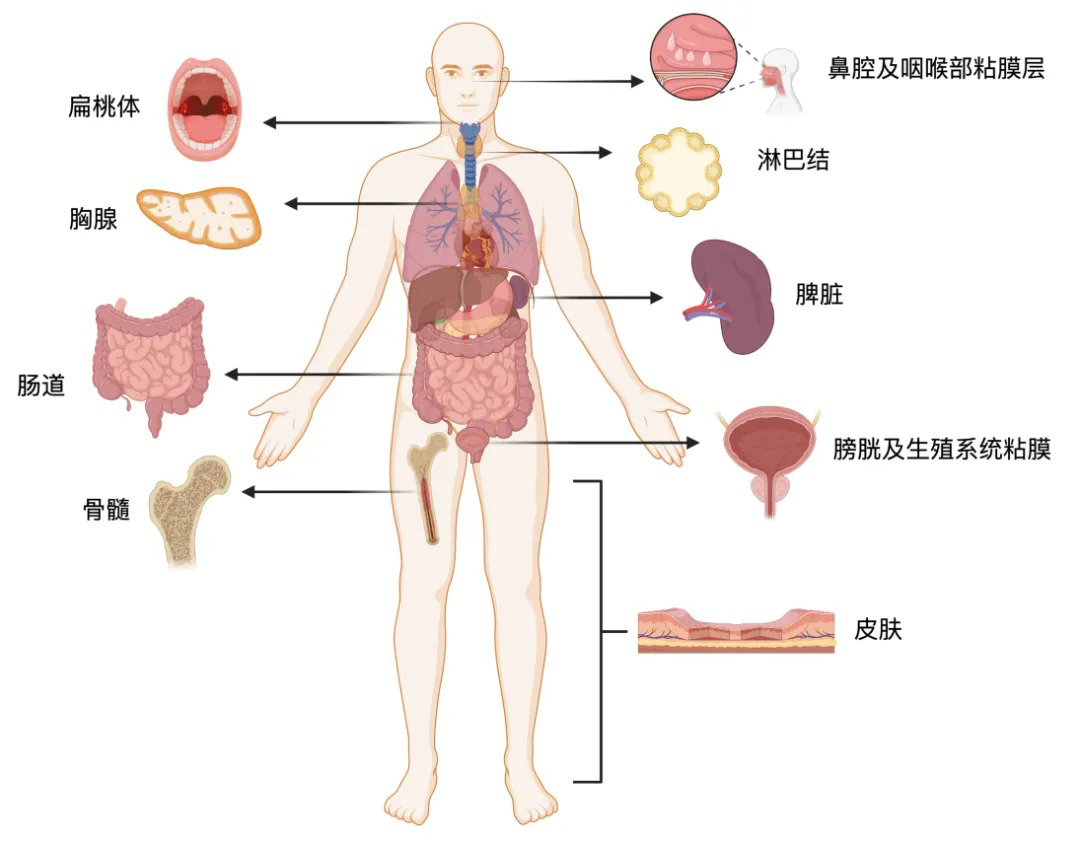
Immunity is a physiological function of the human body that enables it to distinguish between “self” and “non-self” components. Through this function, the body destroys and rejects invading antigens (such as pathogens) as well as damaged or tumor cells generated within the body itself, thereby maintaining health. Human immunity primarily comprises three lines of defense:

The first line of defense consists of the skin and mucous membranes; not only do they block the entry of pathogens into the body, but their secretions—such as lactic acid, fatty acids, gastric acid, and enzymes—also possess bactericidal properties. The second line of defense comprises bactericidal substances in body fluids and phagocytes. Both the first and second lines of defense are natural defense mechanisms established over the course of human evolution; as they provide protection against a wide range of pathogens, they are classified as forms of non-specific immunity. The third line of defense is specific immunity, primarily composed of immune organs (such as the thymus, lymph nodes, and spleen) and immune cells (lymphocytes); it acts only against specific pathogens or foreign substances. Specific immunity comes into play once pathogens or other foreign agents breach the first two lines of defense and invade the body.
How do peptides boost the human immune system?
Immunomodulatory peptides are peptides with relatively low molecular weights that possess immunomodulatory activity. Widely distributed and characterized by high specificity, safety, and potent activity, they hold significant clinical value.
These peptides regulate the body’s immune function by influencing the growth and development of immune organs (and tissues), the activity and function of immune cells, delayed-type hypersensitivity reactions, antibody production, the secretion and expression of cytokines, and the release of immune-related signaling molecules; thus, they play a vital role in maintaining human health.
6 Powerful Immunomodulatory Peptides
Immunomodulatory peptides are primarily derived from animals and plants; they include endogenous immunomodulatory peptides that occur naturally within organisms and exogenous ones generated through the enzymatic hydrolysis of natural proteins. Below are six immunomodulatory peptides with notable effects:
1. Placental immunomodulatory factors: These can enhance cellular immune function and strongly promote humoral immunity, comprehensively alleviating immunosuppression caused by radiotherapy, chemotherapy, or cold stress.
2. Thymosins: These generally exhibit bidirectional immunomodulatory effects, helping to normalize immune responses that are either excessive or suppressed; they are widely used clinically for conditions associated with immune system dysfunction.
3. Milk protein peptides: Proteolytic hydrolysates of casein and whey protein from milk; they are capable of modulating cellular immune functions, including lymphocyte proliferation, antibody synthesis, and cytokine regulation.

4. Sea cucumber peptides: Obtained through the enzymatic hydrolysis and refining of sea cucumbers, these peptides function to promote cellular and humoral immunity and enhance the activity of mononuclear macrophages.
5. Spirulina protein peptides: These can trigger the production of cytokines by the intestinal mucosa—the body’s first line of immune defense—thereby mediating and regulating immune responses and inflammatory reactions, and enabling the body to perform vital immune functions.

6. Rice protein peptides: Rice protein peptides possess functions such as stimulating the intestinal immune system, inducing monocyte proliferation, improving leukocyte parameters, regulating bacteriostatic activity, and stimulating lymphocyte proliferation and cytokine release.

The human immune system is inextricably linked to various physiological functions, playing a vital role in maintaining health, fighting off diseases, and ensuring the smooth operation of metabolic processes; however, factors such as nutritional imbalance, high psychological stress, physical inactivity, overwork, sleep deprivation, and aging can all lead to a decline in immune function.
Under these circumstances, it is essential to supplement with high-quality peptides to provide adequate support for the immune system and strengthen the body’s defenses against disease.
Post time: Sep-23-2026