

Protein is an essential nutrient for the human body, but ordinary protein presents challenges in digestion and absorption. Peptides, as a higher level of protein nutrition, offer better digestibility, absorption, and bioactivity, providing superior nutritional support for human health. Peptides can participate in the regulation of human physiological functions as messenger molecules, enzymes, and hormones, and have broad application prospects in the health field.
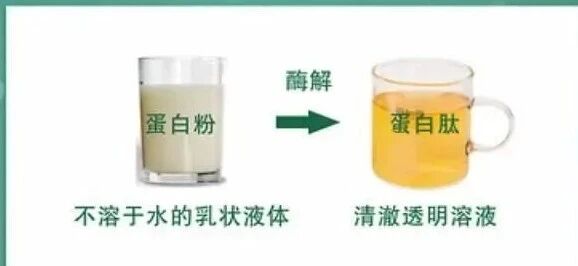
The relationship between proteins and peptides
Protein is a fundamental substance for life activities and plays an important nutritional and physiological role in the human body. However, due to its large molecular weight, protein is difficult for the body to absorb and utilize directly. During digestion, protein needs to be broken down into smaller peptides and amino acids by enzymes such as gastric acid and trypsin before it can be absorbed by the intestines. Therefore, peptides are intermediate products of protein digestion and absorption, representing a higher form of protein nutrition.
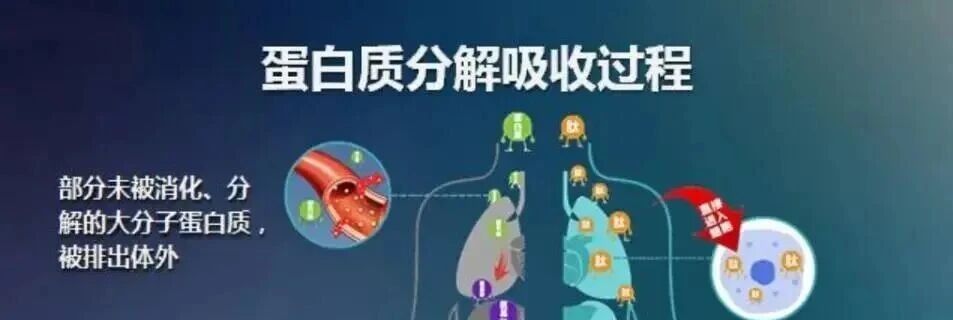
Peptides have smaller molecular weights and are more easily absorbed.
Small peptides are functional fragments of proteins, with molecular weights between 180 and 1000 Da. They are small molecules that can be directly absorbed by the intestines, blood vessels, and skin without digestion, and are organic compounds linked to life activities. Peptides are a form of life, a pathway for proteins to function, and messengers that transmit life information. Cellular absorption of nutrients requires the activity of peptides.
Peptides are absorbed more efficiently.
Peptides have a unique absorption mechanism that requires no energy expenditure from the body and does not burden the digestive tract. They can be directly absorbed by the body, entering the bloodstream within 5 minutes and cells within 10 minutes, acting as a transport vehicle to deliver various nutrients to cells, organs, and tissues throughout the body. Furthermore, peptides have a lower osmotic pressure than free amino acids, which helps improve absorption efficiency and reduce osmotic problems.
Peptides can be absorbed without consuming energy from the human body.
Absorption requires no energy expenditure and does not burden the gastrointestinal tract. Short peptides possess extremely high activity and energy; their active and forced absorption is due to their own activity and energy. Therefore, when absorbed by the body, it is not the body that expends its own energy to absorb them, but rather the peptides themselves use their own energy for absorption. Because of these unique absorption characteristics, short peptides are of significant therapeutic value for patients with poor digestive and absorptive functions, those preparing for surgery, and those requiring postoperative nutritional support.
Peptides are involved in various fields such as the nervous, endocrine, and reproductive systems, participating in the entire physiological process, regulating the physiological functions of various systems and cells in the body, providing energy for cells, and promoting cell repair, metabolism, and replication. It can be said that peptides are key substances that determine the quality and length of human life; they are the commanders of human life. Without peptides, there would be no life activity, and without peptides, life would cease.
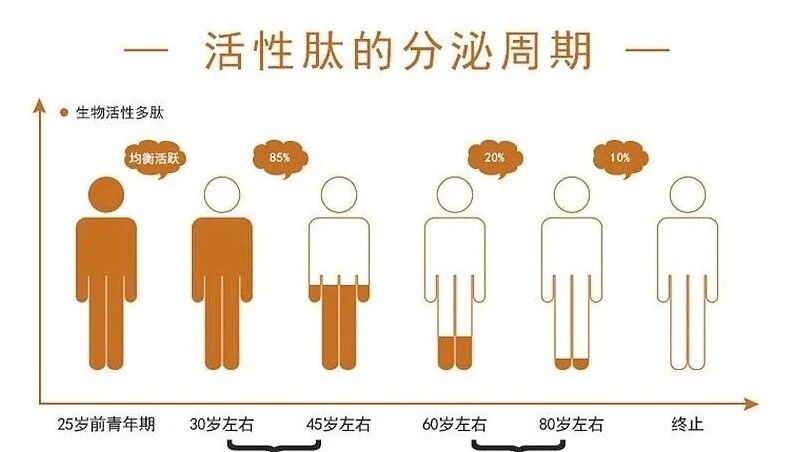
What are the secretion cycles of human bioactive peptides?
The secretion cycle of peptides in the human body, also known as the secretion cycle of bioactive peptides, is typically divided into four phases, as detailed below:
1. Adequate secretion period:
The period of sufficient secretion is usually before the age of 25. During this period, the endocrine volume is balanced and the immune function is very strong, making it difficult for the body to get sick.
2. Period of insufficient secretion:
The period of insufficient secretion usually occurs between the ages of 30 and 50. During this period, the body’s active peptides are usually insufficiently secreted or imbalanced, which can lead to various sub-health conditions and mild disease symptoms.
3. Period of secretion deficiency:
The period of secretion deficiency usually occurs after age 50. At this time, the body’s active peptides are usually severely deficient and severely imbalanced, which may manifest as very obvious signs of aging, or may also manifest as various diseases.
4. Termination of secretion:
The cessation of secretion, also known as the aging period, is when the body’s active peptides are generally not secreted or secreted in reduced quantities, leading to cellular functional decline, inducing organ failure, and ultimately resulting in death.
The effects and functions of peptides on the human body
1. Promotes metabolism:Peptides can promote metabolism in the body.
2. Lower blood lipids:Peptides can lower blood lipids.
3. Enhance resistance and immunity:Peptides can enhance resistance and immunity. They participate in immune regulation processes, strengthening the body’s immune system. They can activate immune cells, increase antibody levels, and thus enhance the body’s resistance to pathogens such as viruses and bacteria.
4. Antioxidant and anti-aging effects:Peptides have certain antioxidant properties, which can eliminate free radicals in the body and reduce oxidative stress damage to cells. In addition, peptides can also promote collagen synthesis, maintain skin elasticity, and delay skin aging.
5. Promotes bone health:Peptides can promote bone growth and repair, and prevent bone diseases such as osteoporosis. They can stimulate the activity of osteoblasts, promoting bone formation and accumulation.
6. Promotes the secretion and activity of digestive enzymes:The main role of peptides in the digestive system is to promote the secretion and activity of digestive enzymes, which helps in the digestion and absorption of food.
7. Repair damaged intestinal mucosa:Peptides can repair damaged intestinal mucosa, improve the balance of intestinal flora, and enhance intestinal immunity, thereby preventing digestive system diseases.
8. Regulates vascular tone:The main functions of peptides in the circulatory system are regulating vascular tone, lowering blood pressure, and preventing thrombosis.
9. Improve sleep quality:Glycine in peptides can not only participate in the synthesis of collagen in the human body, but it is also a central nervous system inhibitory substance in brain cells, which can improve symptoms such as central neurasthenia and insomnia.
10. Promotes wound healing:Peptides can promote skin repair and are beneficial for disease recovery.
There are many types of peptides, with thousands of varieties found in the human body and in other plants and animals. Different peptides have different functions and effects. Peptides have effects such as immune regulation, anti-tumor activity, anti-thrombosis, lowering blood pressure, antiviral activity, antibacterial activity, promoting wound healing, lowering cholesterol, and repairing cells.
Article source: Internet, network; This account is a sharing platform. If there is any infringement, please contact us in time and we will delete it immediately.
Post time: Dec-03-2025