

More than a century has passed since scientists first discovered peptides, and it has been 108 years since the first synthesis of a polypeptide composed of 18 amino acids. So, what role do peptides play in the human body?
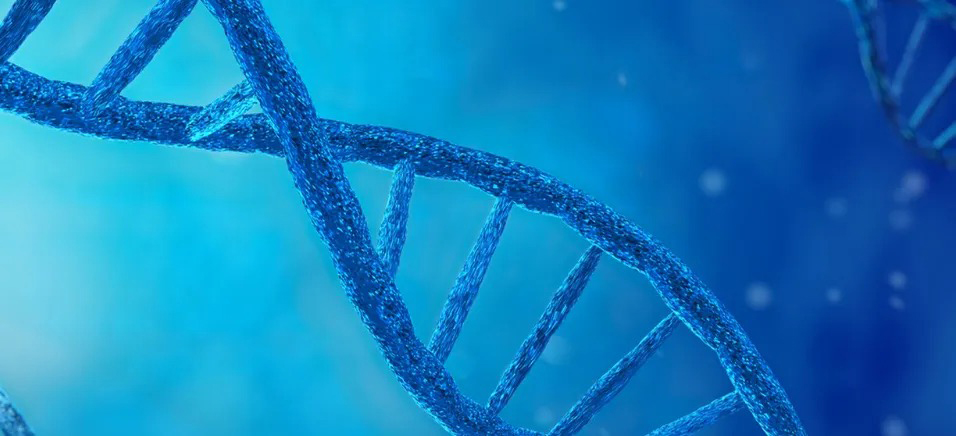
Peptides are active substances secreted within our bodies.
On one hand, it serves as essential “food” for cells, providing them with ample nutrients and energy; on the other, acting as vital functional “raw materials,” peptides are processed and synthesized within cells into various active substances essential to the human body, playing a key role in growth and development, metabolism, and normal physiological functioning. Familiar examples such as insulin, oxytocin, and growth hormone are all peptides—elements indispensable to the human body.
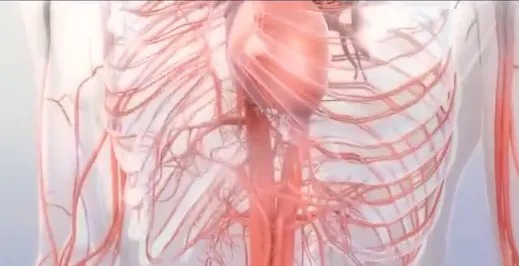
Tens of thousands of bioactive peptides are known to exist in nature; the human body alone contains as many as 1,000 active peptides, with nearly 40 found in the brain alone.
New bioactive peptides continue to be discovered, isolated, and purified. Typically, these peptides are classified based on their functions and sites of secretion into categories such as hypothalamic-pituitary peptide hormones, gastrointestinal hormones, and other hormones and bioactive peptides.
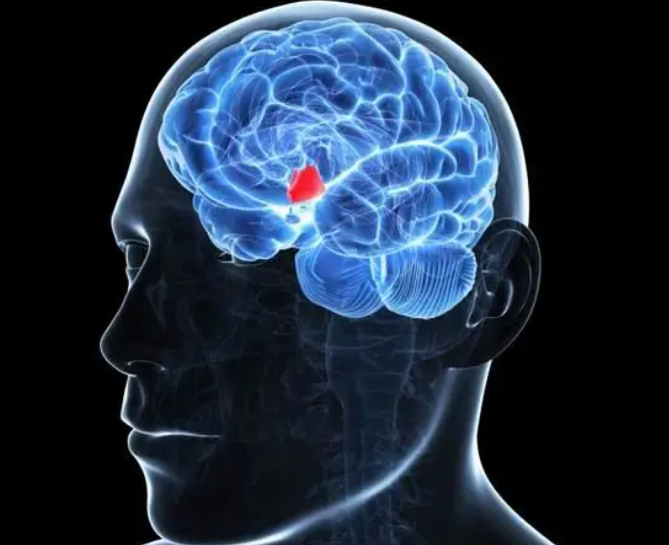
Hypothalamic-pituitary peptide hormones
Pituitary peptide hormones: The hypothalamus and the pituitary gland are closely connected, forming a neuroendocrine regulatory system.
These include: adrenocorticotropic hormone, thyrotropin-releasing hormone, gonadotropin-releasing hormone, growth hormone-releasing hormone, somatostatin (growth hormone-inhibiting hormone), melanocyte-stimulating hormone-inhibiting hormone, melanocyte-stimulating hormone-releasing hormone, prolactin-releasing hormone, prolactin-inhibiting hormone, corticotropin-releasing hormone, antidiuretic hormone, and oxytocin.
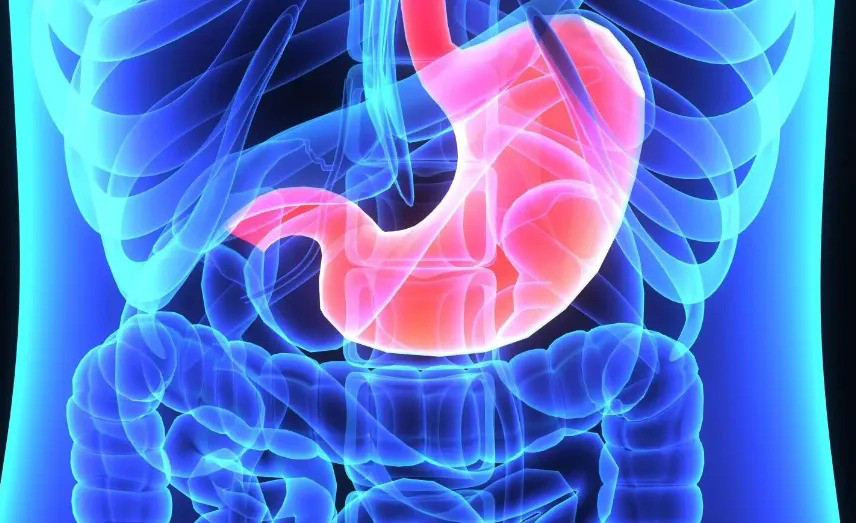
Gastrointestinal peptide hormones
Peptide hormones synthesized in the gastrointestinal tract include gastrin (34-peptide), secretin (27-peptide), cholecystokinin (8-peptide), motilin (22-peptide), vasoactive intestinal peptide (28-peptide), and neurotensin (13-peptide), among others.
It has been established that many gastrointestinal peptide hormones are also found in the brain and peripheral nervous system; these are known as brain-gut peptides. These peptides continuously modulate the body’s responsiveness to adapt to changes in the internal and external environments, thereby maintaining the body’s health.
Other hormones and active peptides
Other hormones and active peptides include thymosin, insulin (also known as Nanruibaoran peptide), glucagon, calcitonin, angiotensin I (decapeptide), angiotensin II (octapeptide), angiotensin III (heptapeptide), endorphins, enkephalins, glutathione, and others.
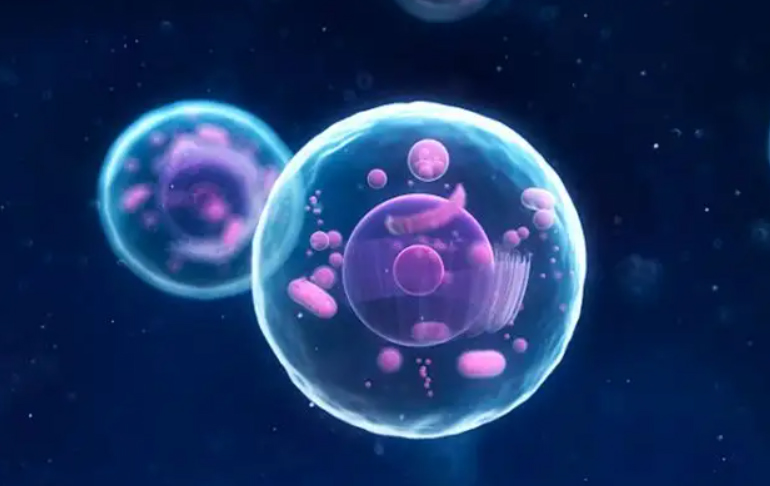
As understanding of bioactive peptides deepens, scientists have increasingly turned their attention to the development of peptide-based drugs. These drugs are primarily used to treat conditions such as cancer, metabolic disorders, cardiovascular diseases, endocrine disorders, and blood diseases, as well as for pain management and cognitive regulation.
Meanwhile, natural peptides have been successfully extracted from animal and plant proteins; these are known as “food-derived bioactive peptides.” Incorporating these peptides into one’s daily diet in a timely and balanced manner is beneficial.
Food-derived peptides are nutrients that are highly compatible with human absorption. Possessing diverse biological activities, they support nutritional supplementation and specific bodily repair processes, making them an excellent choice for daily consumption.
Post time: Sep-11-2026