

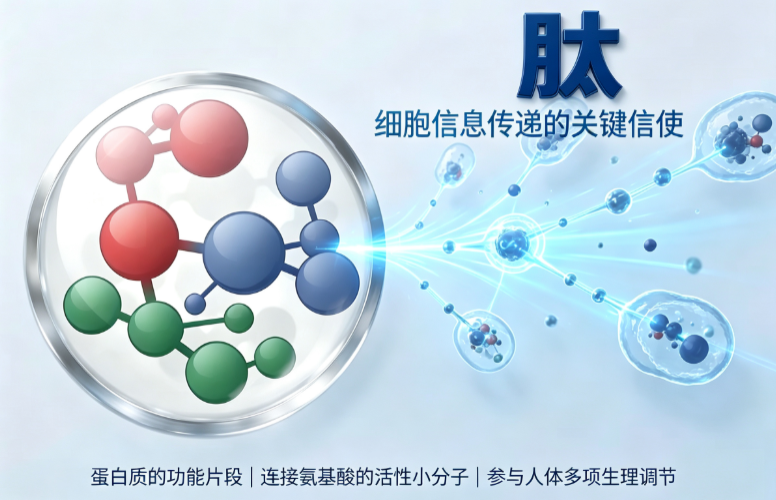
I. What are peptides?
A peptide is a biochemical substance intermediate between an amino acid and a protein; it is a fragment of a protein with a molecular weight smaller than that of a protein but larger than that of an amino acid.
A “chain” or “string” of amino acids formed by linking two or more amino acids via peptide bonds is called a peptide. Specifically, those composed of 2 to 10 amino acids are known as oligopeptides (small-molecule peptides); those composed of 10 to 50 amino acids are termed polypeptides; and those consisting of more than 50 amino acids are classified as proteins.
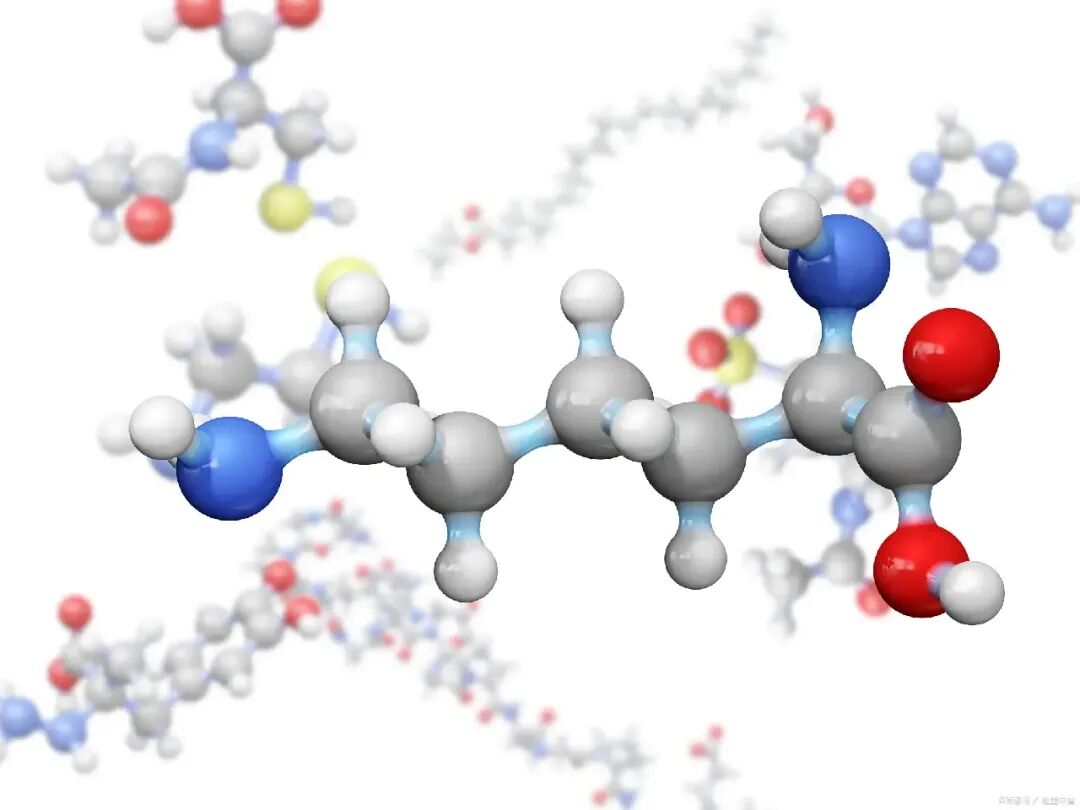
In terms of molecular weight, amino acids typically range from 75 to 200, peptides range from several hundred to several thousand, and proteins generally exceed 5,000. Peptides serve not only as functional and structural segments of proteins but also as their active components. Many bioactive substances in the body—such as hormones and enzymes—are essentially peptides, playing vital roles in processes like metabolic regulation and nerve impulse transmission.
II. The Discovery of Peptides: A Century-Spanning Scientific History
Research on peptides has spanned the entire history of modern biochemistry.
In 1902, British physiologists Bayliss and Starling discovered secretin in the gastrointestinal tracts of animals; this marked the first time humans identified a peptide substance, thereby initiating a century of peptide research.
In 1907, German chemist Emil Fischer synthesized a glycine dipeptide fragment for the first time and coined the term “peptide.”
In 1922, insulin extracted from animal pancreases was used to treat diabetes in humans—the first instance of a peptide substance being used for clinical disease treatment.
In 1954, American biochemist Vincent du Vigneaud successfully synthesized oxytocin, an eight-amino-acid peptide; this was the first chemical synthesis of a natural peptide in human history, an achievement for which he was awarded the Nobel Prize in Chemistry in 1955.
In 1963, Bruce Merrifield invented solid-phase peptide synthesis (SPPS), making automated peptide synthesis possible; he received the Nobel Prize in Chemistry in 1984 for this innovation.
In 1958, active peptides—researched by American biochemist Herbert Boyer—were successfully produced using recombinant cell technology; these peptides regulate the quantity, quality, and rate of protein synthesis, thereby influencing human disease and aging. (Boyer was awarded the Nobel Prize in Physiology or Medicine that same year.)
In 1990, Dr. Rudman was the first to use active peptides to explain the causes of human disease and aging, applying them to the fields of anti-aging and disease prevention. *The New York Times* reported on this with the headline “The Source of Life: Miraculous Active Peptides.”
To date, discoveries and research findings related to peptides have garnered nine Nobel Prizes, and research into peptide-based health continues to flourish.
III. The Father of Chinese Collagen Peptides: Wu Qinglin
A Chinese scientist, Wu Qinglin, has made a distinctive contribution to the process of bringing peptides from the laboratory to industrial-scale production.

Wu Qinglin (born 1948), a graduate of Northwest University, is the founder of the Tai’aipeptide Group. He dedicated the first half of his career to light metal research, developing the spherical magnesium powder used for the underwater ignition ceremony at the opening of the 2000 Sydney Olympics—an achievement that earned him the industry title “Magnesium Powder King.” In 1997, he made a decisive shift into the field of bioengineering, founding the China Peptide Research Center and serving as its inaugural president to focus on the extraction and application of peptides.
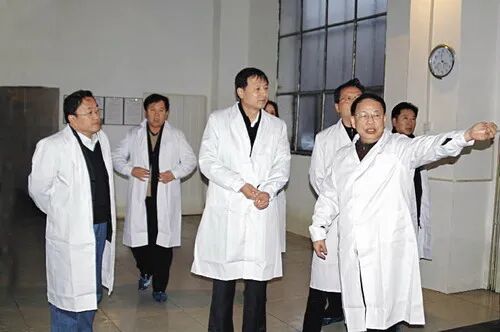
Why the shift to peptides? In 2003, during interviews with CCTV programs such as *Oriental Horizons* and *Tell the Truth*, Wu Qinglin stated: “My research was previously applied primarily to the defense industry—in a sense, it was about harming people. Now, I conduct research on peptides for the sake of human health and well-being; it is about saving lives.”


Breakthrough in Core Technology: In 2006, Wu Qinglin successfully developed a method and equipment for producing low-salt peptides, as well as a small-molecule collagen peptide, for which he filed a patent. This technology overcame long-standing challenges regarding the application of collagen. After more than a hundred rounds of testing, a collagen peptide with a molecular weight of 1,000 Daltons was successfully developed, enabling the transition of peptides from the laboratory to large-scale production.

Contributions to Industrialization: Wu Qinglin pioneered the development of several patented technologies for the production of collagen peptides; notably, three of these—”Method for Producing Low-Salt Peptides,” “Method for Extracting Sea Cucumber Peptides,” and “Method for Extracting Oyster Peptides”—were granted national invention patents. Under his leadership, a 150-mu production base was established in Dachang in 2006, followed by the establishment of a 400-mu large-scale collagen peptide production base in Dalian in 2009. Recognized for his seven national patents regarding small-molecule peptide technologies, he has been listed in the *Dictionary of Chinese Experts and Scholars* and the *Talent Pool of the 21st Century*, and is hailed by numerous experts and scholars as the “Father of Chinese Collagen Peptides.”
IV. Core Advantages of Peptides
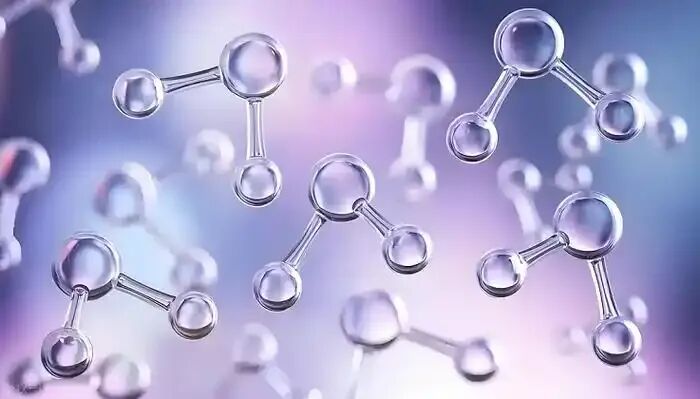
01. Directly absorbed; consumes no energy.
Small-molecule peptides feature a simple structure and low molecular weight, allowing for rapid absorption through the small intestinal mucosa without the need for further digestion or energy expenditure; they are characterized by high efficiency and complete absorption. Compared to free amino acids, peptide absorption offers the advantage of requiring little to no energy; once absorbed through the duodenum, peptides can directly enter the bloodstream to deliver their energy and nutrients to various parts of the body.
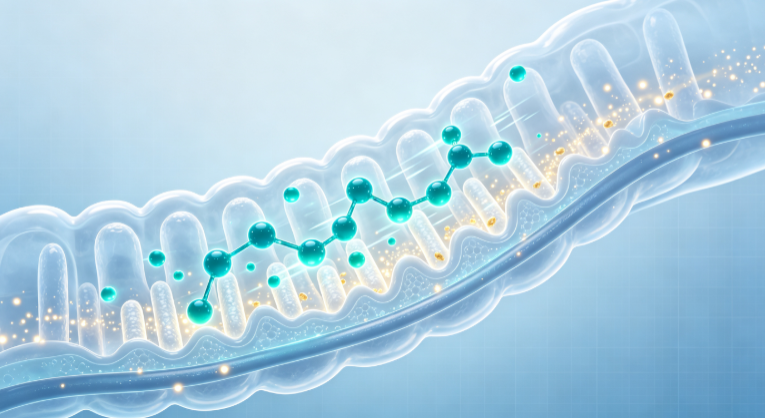
02. Carrier-mediated transport for higher efficiency
The absorption of small-molecule peptides relies primarily on a protein known as the peptide transporter (PepT1). Widely distributed across the small intestinal mucosa, this transporter utilizes a proton gradient to transport dipeptides and tripeptides from the extracellular space into the cell. Research has confirmed that dipeptides and tripeptides are the primary substrates for PepT1, representing the main pathway for dietary nitrogen absorption. PepT1 preferentially binds to short-chain, neutral, and highly hydrophobic peptides, or to peptides possessing specific side-chain groups.
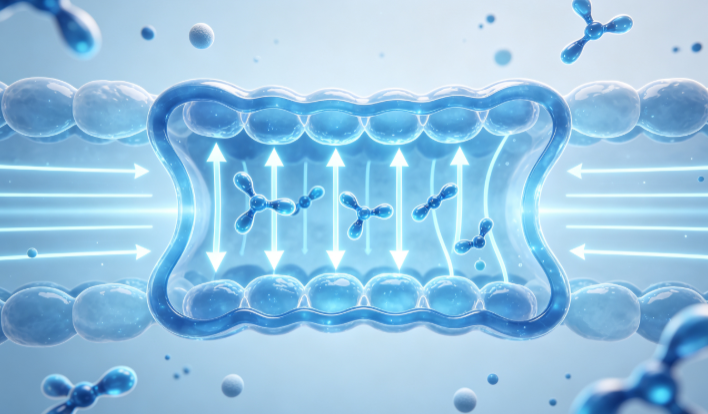
03. Penetrating barriers to reach cells directly
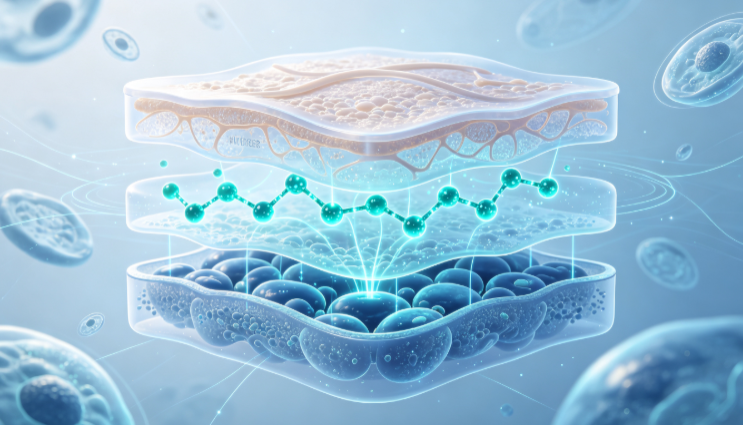
04. High activity, low dosage
Small-molecule peptides possess high biological activity, often exerting significant effects even in minute quantities. Beyond providing the nutrients essential for human growth and development, they perform specific biological functions—participating in the regulation of physiological processes across various body systems and cells, and maintaining the normal physiological activity of systems such as the nervous, digestive, reproductive, growth, metabolic, and circulatory systems.
V. Why supplement with peptides?
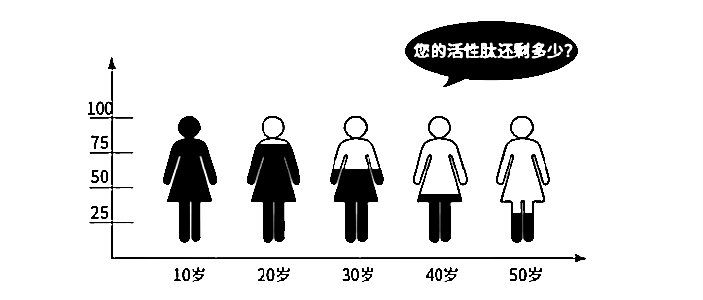
The levels of bioactive peptides in the human body are not static; their secretion declines year by year with age.
Around the age of 30, the body’s organs and tissues begin to age and atrophy, and their functions decline; at this stage, the secretion of various bioactive peptides is only 85% of peak levels. Thereafter, the level drops by 15% every decade.
By age 60, the body’s secretion of bioactive peptides is only about one-fifth of its peak; by age 80, less than one-tenth remains.
Peptides are essential “food” for cells, providing them with nutrients and energy while playing a crucial role in growth, development, metabolism, and the body’s normal functioning. A deficiency in peptides affects both metabolism and the endocrine system, potentially leading to various health issues.
Professor Liu Xinqi of the School of Food Science at Beijing Technology and Business University points out that supplementing with protein peptide products helps compensate for the age-related decline in protein digestion and absorption, thereby addressing the issue of insufficient protein nutrition among the elderly.
Therefore, the timely and appropriate supplementation of exogenous small-molecule peptides helps offset the decline in the body’s own secretory capacity, providing more direct and efficient nutritional support.
VI. What are the physiological functions and benefits of peptides?
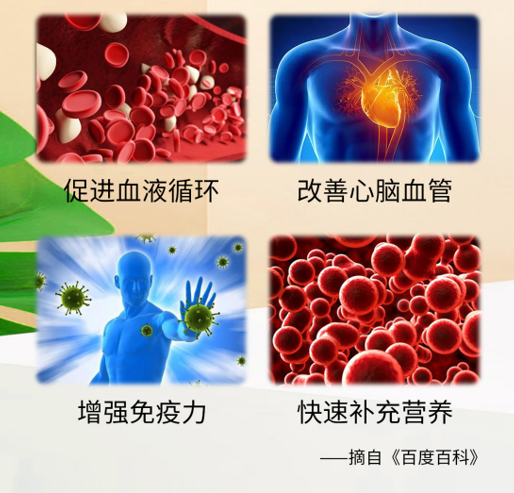
Activate and repair cells: stimulate cellular activity and reverse aging; repair damaged cells and eliminate free radicals; promote nutrient absorption and the elimination of metabolic waste; inhibit cellular degeneration and boost the body’s immunity.

Relieve fatigue and boost stamina: rapid absorption and conversion; inhibit the decline of muscle strength; maintain high energy levels.

Skincare and anti-aging: activate cells and replenish nutrients; rebuild tissue and restore elasticity; nourish the skin and lock in moisture.

Relieves stress and improves sleep: inhibits oxyhemoglobin concentration; lowers adrenocortical hormone levels; and activates the body’s innate sleep mechanisms.

Burn fat and lose weight healthily: inhibit fat absorption and accelerate fat breakdown; boost basal metabolism and promote fat burning; preserve muscle elasticity and maintain youthful vitality.

VII. Sources and Classification of Peptides
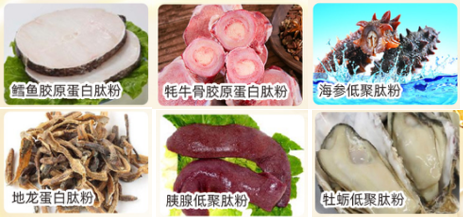
Based on their source materials, functional peptides can be classified into categories such as plant protein peptides, animal protein peptides, and microbial protein peptides. Common examples of plant protein peptides include soy peptides, ginseng peptides, Ganoderma peptides, and peony peptides.

Animal protein peptides include cod peptide, sea cucumber oligopeptide, oyster oligopeptide, and earthworm protein peptide; common microbial protein peptides include spirulina peptide and yeast protein peptide.
VIII. Who should consider peptide supplementation?
As we age or the pace of life accelerates, the body’s ability to synthesize peptides may decline. The following groups may wish to consider peptide supplementation:
Individuals with impaired digestion and absorption: Peptides can be absorbed directly without the need for digestion, making them suitable for those with weaker digestive function;

For those suffering from exhausted energy reserves or prone to fatigue: Bioactive peptides possess anti-fatigue properties and help improve energy metabolism.

Individuals with low immunity: Bioactive peptides possess immunomodulatory functions;

For those concerned about skin condition: Collagen peptides and similar substances offer antioxidant properties and promote skin repair.

Middle-aged and elderly populations: Nutritional support from peptides helps maintain normal physiological functions.

Friendly Reminder: Peptides fall under the category of food or dietary supplements and cannot replace medical treatment. If you have health concerns, please seek medical advice promptly and make dietary adjustments or nutritional supplementation under professional guidance.
Post time: Sep-18-2026