

Why do modern people need to supplement with peptides? What exactly are peptides, and what specific benefits do they offer? Peptides are bioactive substances produced within the body. On one hand, they serve as essential “food” for cells, providing them with ample nutrition and energy; on the other hand, acting as vital functional “building blocks,” they are processed and synthesized within cells into various bioactive substances essential to the human body, playing a crucial role in growth and development, metabolism, and the body’s normal functioning. For children, a lack of peptides can lead to stunted growth and development, or even a complete halt in these processes; for adults and the elderly, a deficiency can result in metabolic disorders and endocrine imbalances, potentially leading to various diseases.
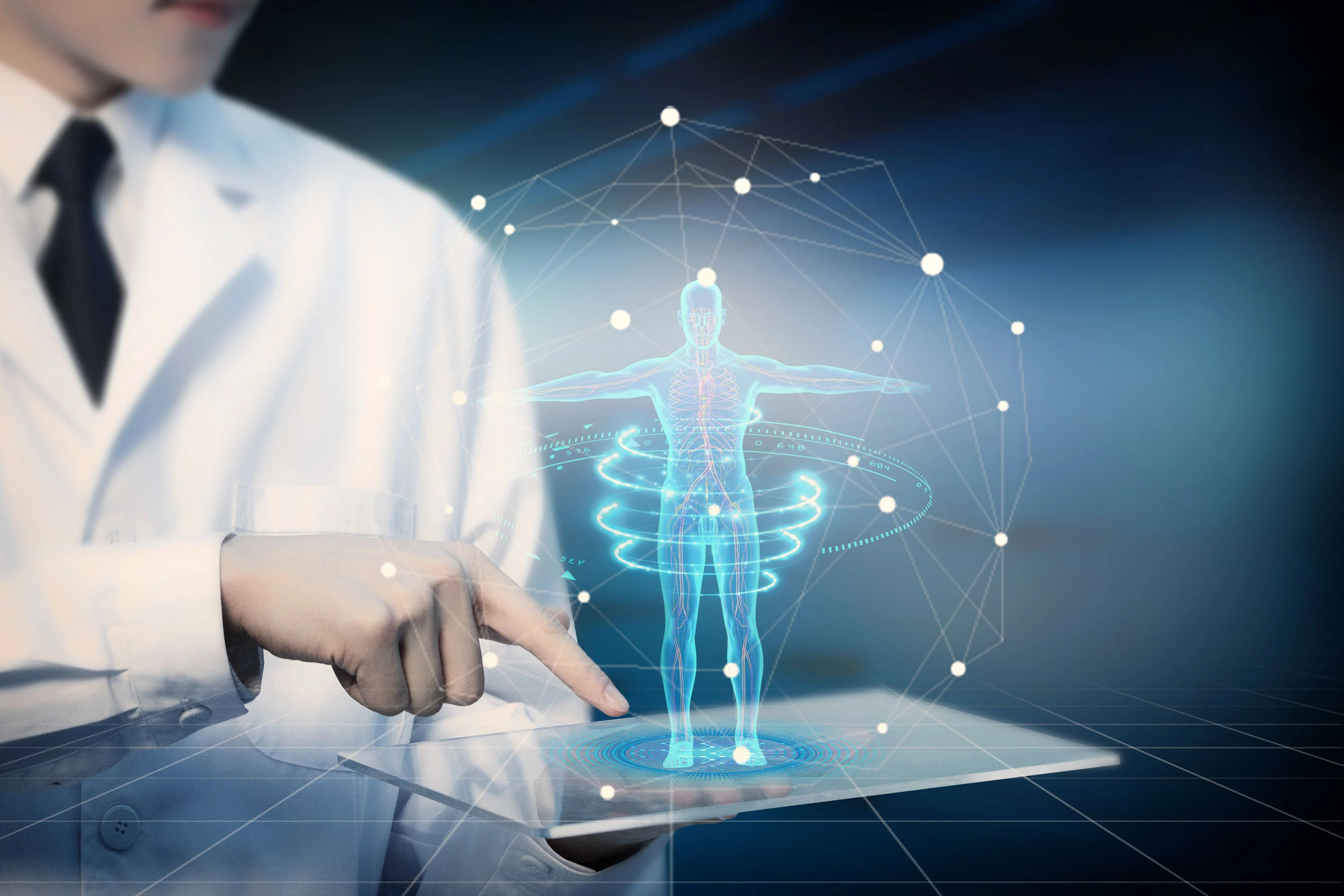
Peak Secretion Period — Before Age 25
The body’s immune function is robust, making it less susceptible to illness. However, after age 25, the secretion of bioactive peptides declines at a rate of 15% per decade.
Period of Declining Secretion — Ages 30 to 50
By age 30, secretion levels drop to just 85% of their peak; the body’s organs and tissues begin to age and atrophy, and their functions decline. After age 40, both men and women experience a rapid decline in both physical appearance and physiological function. As the nervous and immune systems deteriorate, various sub-health conditions and symptoms of chronic diseases emerge.
Period of Secretion Deficiency — Age 50 and Above
By age 60, the secretion level of active peptides is only about one-fifth of its peak; by age 80, less than one-tenth remains. During this period, individuals experience rapid aging and are prone to developing serious illnesses.
During the terminal phase, cellular function declines, and organ function fails and is lost, ultimately leading to the end of life.
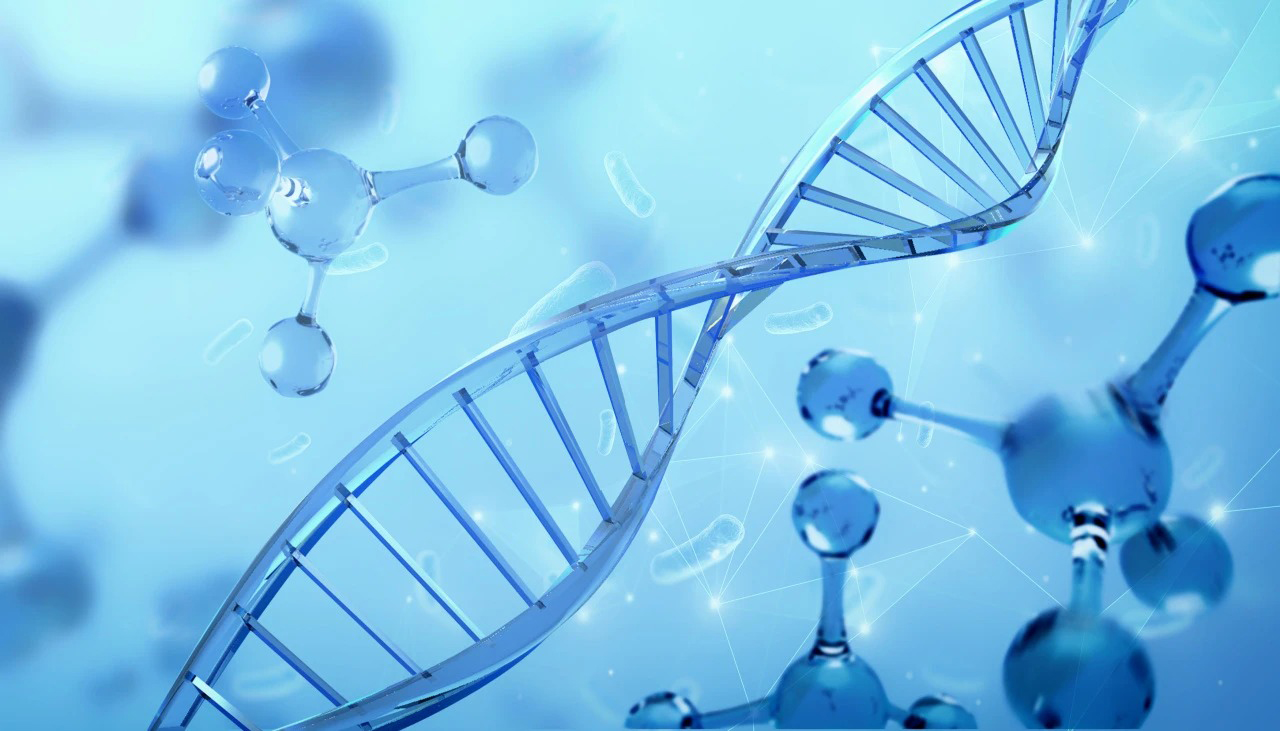
As research into peptides has deepened, natural peptides have been successfully extracted from animal and plant proteins; these substances are known as “food-derived bioactive peptides.”
Serving as supplements to the body’s own peptides, they can rapidly pass through the digestive mucosa into the bloodstream, where they perform the same roles and functions as the bioactive peptides naturally present in the human body.
When our bodies lack sufficient synthesis or secretion of thymosin, we can supplement cellular nutrition by consuming food-derived bioactive peptides. This helps compensate for the shortfall in immune-related peptides naturally produced by cells, thereby strengthening immune function and activating immune cells.
Food-derived peptides are nutrients that are highly compatible with human absorption; they possess diverse biological activities and support both nutritional replenishment and specific bodily repair processes.
The onset, progression, treatment, and recovery associated with any disease are linked to peptides. Therefore, timely and appropriate peptide supplementation in our daily lives is essential for fundamentally safeguarding our health and preventing disease.
Every cell in our body relies on peptides, and all active substances exist in the form of peptides; thus, supplementing with peptides is crucial.
Post time: Sep-17-2026