

The liver is a vital organ in the human body; it functions to regulate *qi* and blood, assist the spleen and stomach in digesting food and absorbing nutrients, and help maintain emotional balance and the smooth flow of *qi*. While the liver possesses remarkable regenerative and restorative capabilities, factors such as a fast-paced lifestyle, high stress, overwork, excessive alcohol consumption, environmental pollution, and the toxic side effects of medications often place an excessive burden on it.
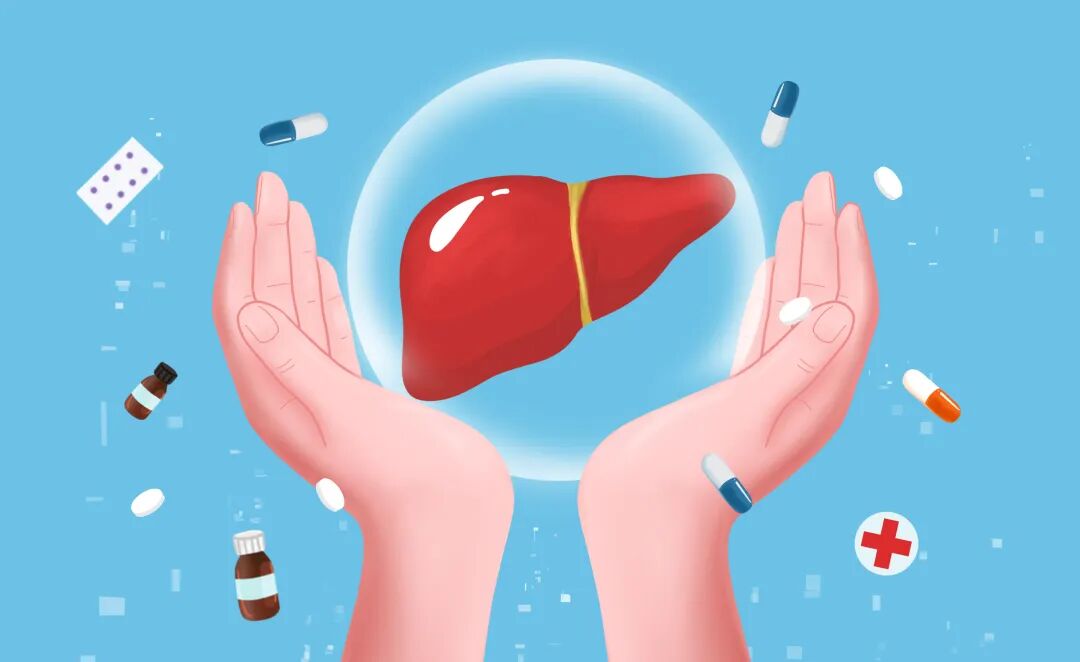
As small-molecule, easily absorbed nutrients, bioactive peptides play a powerful role in liver care. They serve as an ideal source of nutrition for liver cells, providing comprehensive support for the repair and regeneration of damaged cells, while also protecting the liver and enhancing its overall health through functions such as antioxidation and immunomodulation.
The effects of peptides on patients with various liver diseases
01. For asymptomatic individuals:
If liver function is normal but the “two-and-a-half” markers (hepatitis B serological markers) are positive, taking small-molecule peptides can eliminate and destroy the virus within serum liver cells, comprehensively boost immunity, enhance antiviral capabilities, promote recovery from hepatitis, and prevent recurrence, thereby achieving a complete cure.
02. For symptomatic patients:
Elevated transaminase levels and pain in the liver region indicate that the disease is in an active phase, with the virus replicating and proliferating rapidly within the body. Treatment involving the administration of small-molecule peptides can inhibit viral replication as well as reverse transcriptase and DNA activity, leading to HBeAg seroconversion (turning negative); it also stimulates the production of protective antibodies, preventing infection, alleviating symptoms, and achieving a shift from positive to negative status.
03. For patients with liver cirrhosis accompanied by ascites:
Consuming small-molecule peptides can increase the body’s total protein levels and boost the activity of endogenous interferon, natural killer (NK) cells, and macrophages. It promotes bowel movements and diuresis, helps eliminate ascites, and facilitates liver cell regeneration. Additionally, it repairs damaged endoplasmic reticulum, restores the albumin-to-globulin ratio to normal, and helps prevent malignant transformation.
As peptides and amino acids serve as nutritional sources for the body’s organs, they assist in the restoration of organ function. Timely and substantial supplementation of the liver with peptides, amino acids, and other micronutrients can reverse functional decline, enhance metabolic and detoxification capabilities, and boost cellular immunity—specifically by improving the function and count of T-lymphocytes—thereby protecting and strengthening the liver.
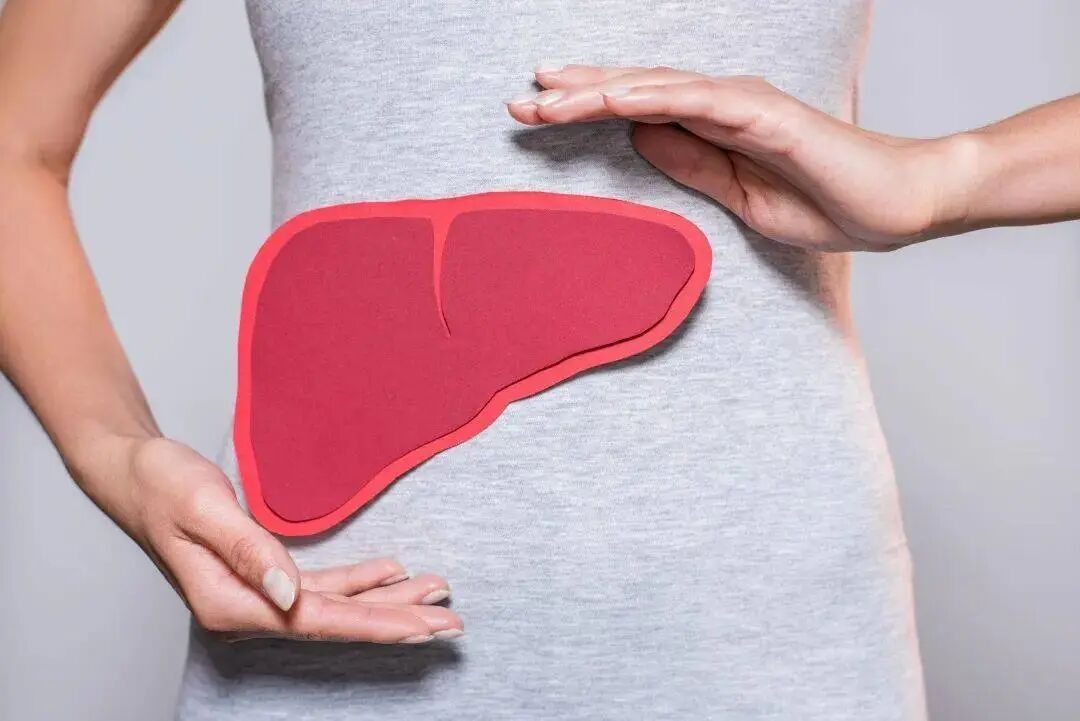
The Protective Effects of Peptides on the Liver
Small-molecule peptides are rich in nutrients and possess various physiological activities; they can protect the liver from damage in several ways:
(1) Small-molecule peptides have a low molecular weight and are easily digested and absorbed; they provide comprehensive nutritional support for the repair and regeneration of damaged liver cells, making them an ideal nutritional source for hepatocytes.
(2) Small-molecule peptides can repair damaged liver cells. They penetrate directly into hepatocytes, stimulating DNA synthesis and promoting cell regeneration, thereby restoring liver function.
(3) Small-molecule peptides exhibit anti-lipid peroxidation and free radical scavenging properties, thereby protecting hepatocyte membranes, mitochondrial membranes, and the endoplasmic reticulum from damage caused by alcohol or other chemical toxins.
(4) Small-molecule peptides can modulate the liver’s own immune function; they enhance the activity of phagocytes, T cells, and NK cells, helping to eliminate various exogenous invading agents and endogenous antigens. Examples include clearing existing hepatitis B virus from the blood, converting HBsAg status from positive to negative and inducing protective antibodies, eliminating hepatitis virus core antigens that have invaded hepatocytes, and clearing infected or diseased liver cells.
(5) Small-molecule peptides can enhance the liver’s capacity for albumin synthesis. Albumin is a type of globular protein. Liver pathology can impair albumin synthesis and transport, leading to a drop in serum albumin levels; in cases of liver cirrhosis, albumin synthesis is significantly reduced.
(6) Small-molecule peptides can also eliminate or alleviate the hepatotoxic side effects caused by radiotherapy and chemotherapy in cancer patients.
(7) Small-molecule peptides can improve the function and vitality of hepatocytes, promote lipid metabolism and transport, clear fat deposits around the liver, and resolve fatty liver.
(8) Small-molecule peptides protect hepatocytes from damage caused by toxic substances and reduce the release of soluble pro-fibrotic factors following injury; this diminishes the activation of hepatic stellate cells (HSCs), thereby inhibiting the onset and progression of liver fibrosis.
Small-molecule peptides not only provide excellent nutritional support for hepatocytes but also protect liver cells from damage, offering broad prospects for application in liver protection.
Article source: Internet, network; this account is a sharing platform. If there is any infringement, please contact us in time and we will delete it as soon as possible.
Post time: Sep-21-2026