

As times progress, people are increasingly aware of the importance of enhancing their quality of life—engaging in exercise, traveling, and adopting proactive wellness practices, for instance. When it comes to wellness, “peptides” are likely a familiar term; they offer a wide range of applications and hold special significance in the broader health and wellness sector.
Introduction: Small-molecule peptides are derived from the hydrolysis of proteins; due to their low molecular weight, they are more easily absorbed and utilized by the human body. However, consumers often have questions regarding their use—such as the proper method of consumption, their composition, and whether their efficacy varies among different user groups. The following Q&A section aims to provide a better understanding of peptides.
What are peptides? Is exogenous peptide supplementation necessary? Peptides are substances that regulate the human life cycle—from birth and growth to aging and death—and play a vital role in the body. As we age, the body’s peptide levels steadily decline, leading to various health issues; therefore, exogenous peptide supplementation is highly necessary.
Exogenous peptide supplementation has become a popular approach to wellness. It is believed to offer comprehensive health benefits, such as boosting immunity and physical strength, improving sleep quality, and delaying the aging process.

The continuous advancement of modern technology has deepened research into peptides; it is foreseeable that, as technology progresses, exogenous peptide supplementation will play an increasingly important role in the future of health.
Do peptides fall under the category of nutritional products? “Medical foods” (MF) are defined as foods intended for specific health purposes that must be used under medical supervision. This definition and the term “medical food” were established by the U.S. Food and Drug Administration (FDA) in 1989.
Research into animal protein nutrition has entered a new phase: the era of peptide nutrition. The theory of peptide nutrition is based on the role of bioactive peptides—intermediate products of protein enzymatic hydrolysis—which function comprehensively as functional nutrients.
Can peptides prevent blood clots and lower blood lipids?
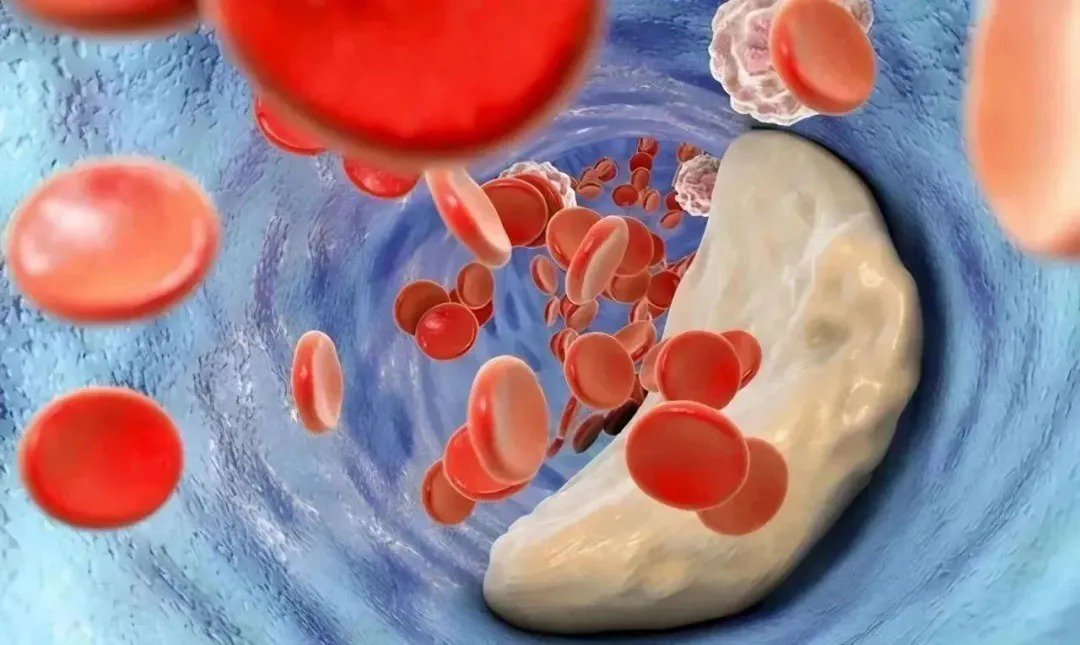
Small-molecule peptides facilitate the direct synthesis of high-density lipoprotein (HDL) in the liver. Known as “vascular scavengers,” HDL molecules transport substances that impede blood flow—such as lipids and free radicals—from the blood vessels to the liver for catabolic breakdown. Additionally, these peptides induce the production of HMG-CoA reductase (3-hydroxy-3-methylglutaryl-coenzyme A reductase) within the body, thereby accelerating cholesterol metabolism and inhibiting the synthesis of blood lipids.
Small-molecule peptides also regulate platelet function, inhibiting platelet aggregation and thrombus formation. They promote the activation of the fibrinolytic system, enhance plasminogen activator activity, and accelerate the degradation of thrombi, thereby serving a preventive role against thrombosis.
Can peptides help prevent fatigue?
Peptides can prolong exercise duration and reduce blood lactate levels, thereby demonstrating a significant fatigue-alleviating effect. This anti-fatigue function is associated with several mechanisms: enhancing antioxidant enzyme activity (which mitigates damage to skeletal and cardiac muscles caused by excessive free radical production during prolonged endurance exercise), lowering nitric oxide synthase (NOS) activity in brain tissue (which reduces central fatigue resulting from excessive nitric oxide production), and boosting the body’s aerobic metabolic capacity.
Peptides are absorbed by the intestines much more rapidly than proteins or amino acids—capable of being effectively assimilated by the body within 20 minutes without expending metabolic energy. This plays a crucial role in providing the body with an ample supply of amino acids, rapidly repairing damaged muscle, and alleviating fatigue.

How can you distinguish the quality of peptides?
Small-molecule peptides are completely water-soluble and chemically stable, whereas proteins do not dissolve in water and instead remain in suspension; you can distinguish between peptides and proteins through a simple dissolution test. Additionally, examine the product’s ingredients: a simpler, cleaner ingredient list indicates a higher peptide content, and generally, the lower the molecular weight, the better the efficacy.
What is the difference between peptides and health supplements?
Health supplements refer to foods that possess specific health-promoting functions or are intended to supplement vitamins and minerals; they contain specific amounts of active ingredients—namely, physiologically active substances—capable of regulating bodily functions and serving specific purposes.
In contrast, ordinary foods do not emphasize specific functions; they are not intended to treat diseases and pose no harm to the human body.
Peptide products can be categorized into protein-based foods/beverages (in powder or liquid form) and pharmaceutical products. Peptide-based foods have become increasingly popular in recent years due to characteristics such as easy absorption, rapid action, high utilization rates (with small peptides achieving up to 100% utilization), water solubility, and the ability to exert various biological activities. Peptides are considered excellent nutritional supplements; they offer health benefits and—depending on the specific context—can provide targeted repair and therapeutic effects, effectively helping the body return to a normal state.
How should small-molecule peptides be taken?
Simply drink one serving two to three times a day—once in the morning and once in the evening; you can also have an extra serving at midday if time permits.
The most notable characteristics of small-molecule peptide nutritional products are their complete and rapid absorption. They work by activating and repairing cells, inhibiting mutated cells, and boosting the body’s immunity and resistance. There is no need to overthink the process or feel pressured; treat it much like drinking water—consume it whenever you feel like it. While there are scientifically “optimal” ways to drink water, they are often difficult to stick to in practice, so it is best to keep things simple and maintain a relaxed mindset. Additionally, physical reactions following consumption vary from person to person; you may experience certain effects—such as dizziness—that are recognized as “healing reactions” (or “recovery reactions”).
Post time: Sep-15-2026